Mastering Homemade Buffalo Sauce: Your Ultimate Guide to Flavor and Kick
There’s something undeniably satisfying about a perfectly crafted buffalo sauce – that signature blend of rich, tangy, and spicy notes that transforms everything it touches. While store-bought bottles line supermarket shelves, nothing quite compares to the vibrant, fresh flavor of a
homemade buffalo sauce recipe. Imagine drizzling it over crispy chicken wings, tossing it with roasted cauliflower, or slathering it onto a juicy burger; the possibilities are endless once you've unlocked the secret to making this iconic condiment in your own kitchen.
Originating from Buffalo, New York, where Teressa Bellissimo is credited with inventing the buffalo chicken wing at the Anchor Bar, buffalo sauce has evolved into a culinary staple. It’s a testament to simple ingredients coming together to create something extraordinary. Forget the additives and preservatives often found in commercial versions; our guide will show you how to whip up a batch that’s not just superior in taste but also incredibly easy to make. Get ready to elevate your meals with a sauce that's creamier, more flavorful, and entirely customizable to your preferred level of heat!
The Essential Ingredients for Your Signature Sauce
Crafting the perfect homemade buffalo sauce starts with understanding the role each core ingredient plays. It’s a minimalist's dream – just a few components that, when combined correctly, create a symphony of flavor.
- The Star: Cayenne Pepper Hot Sauce
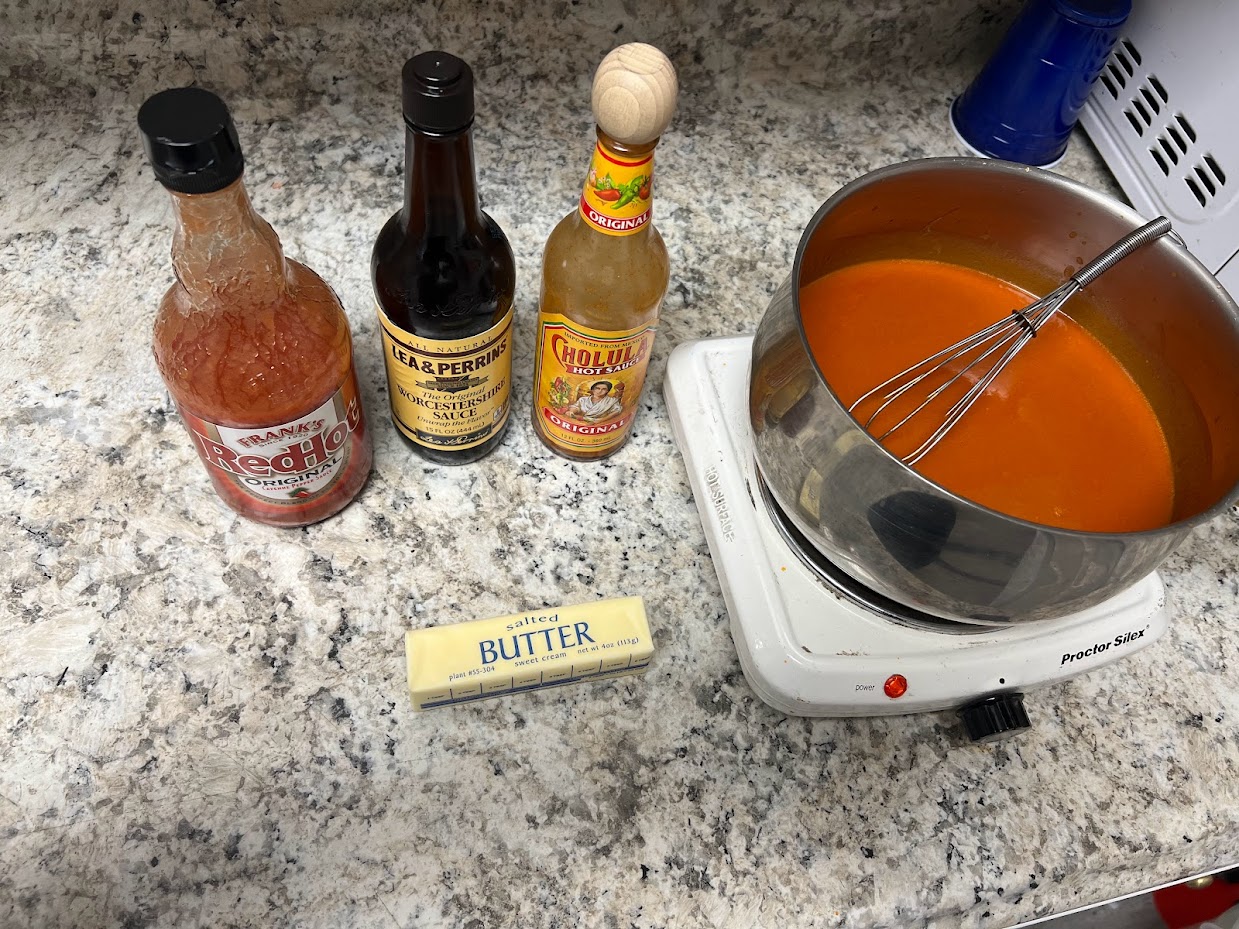
This is the soul of your buffalo sauce. Don't grab just any hot sauce; aim for a cayenne pepper-based variety with a clean, short ingredient list – think cayenne pepper, vinegar, and salt. Brands like Frank's RedHot (the original, not the 'wing sauce' version which already contains butter), Crystal Hot Sauce, or even Tabasco are excellent choices. Many local artisanal hot sauces also fit the bill, offering unique flavor nuances. The goal is a bright, vinegary heat that forms the foundation. For the truly adventurous, imagine using a homemade hot sauce recipe for a 100% from-scratch creation – a project for another day, perhaps!
- The Silken Touch: Unsalted Butter
Butter is what transforms a simple hot sauce into a creamy, luxurious buffalo sauce. It's the secret weapon that delivers that luscious mouthfeel and rounds out the sharp tang of the vinegar. This emulsification of butter and hot sauce is precisely why homemade versions taste so much better than many store-bought options, which often rely on oil or other emulsifiers that can't quite replicate butter's richness. Using unsalted butter gives you control over the final sodium content.
- The Aromatic Enhancer: Garlic Powder (or Fresh Garlic)
A subtle hint of garlic adds depth and warmth without overpowering the primary flavors. Garlic powder is a convenient choice, dissolving seamlessly into the sauce. If you prefer the pungency of fresh garlic, opt for 3 to 5 small cloves, very finely minced or grated. The key is to ensure it's tiny enough to blend smoothly, preventing chunky bits in your sauce.
- The Optional Sweetness: Honey
While traditional buffalo sauce often skips sweetness, a small drizzle of honey can be a game-changer. Inspired by culinary experts, incorporating a touch of honey beautifully balances the acidity and heat, creating a more rounded and nuanced flavor profile. It's not about making it sweet, but about harmonizing the aggressive notes into a smoother, more complex experience. Give it a try – you might just love the subtle complexity it adds!
Mastering Your Homemade Buffalo Sauce Recipe: Pro Tips for Perfection
Once you have your ingredients ready, the actual preparation of your
homemade buffalo sauce recipe is remarkably straightforward. However, a few key techniques will ensure a consistently smooth, emulsified, and utterly delicious result every time.
- Embrace Low Heat for the Butter: The foundation of this sauce is melted butter, and how you melt it matters. Use a small saucepan over genuinely low heat. The goal is to gently melt the butter until it's liquid and completely emulsified, not browned. While brown butter is delicious in other contexts, for buffalo sauce, we want to maintain that creamy, light consistency. High heat can cause the butter solids to separate, leading to a less silky sauce.
- Whisk Vigorously Off the Heat: Once your butter is fully melted, remove the pan from the heat *before* adding the hot sauce and garlic powder (and honey, if using). This crucial step prevents the sauce from "breaking" or separating. Whisk all the ingredients together vigorously until the sauce is completely smooth, uniformly red, and beautifully blended. The residual heat from the melted butter will be enough to incorporate everything seamlessly, creating a stable emulsion.
- Gentle Reheating for Leftovers: One of the best aspects of this homemade buffalo sauce recipe is its excellent shelf life – it keeps wonderfully in the fridge for up to two weeks. However, due to the butter content, it will solidify when chilled. To use leftover sauce, simply scoop out the desired amount and reheat it gently in a small saucepan or skillet over very low heat. If you notice any separation during reheating, a quick whisk will bring it back together into its original smooth, creamy consistency. Avoid microwaving at high power, as this can sometimes lead to separation.
Customizing Your Kick: Spice Levels and Creative Variations
Part of the joy of making your own buffalo sauce is the ability to tailor it precisely to your palate. Whether you're a mild-mannered taster or a true heat seeker, here's how to adjust your sauce:
- Amping Up the Heat:
- More Hot Sauce: The simplest way to increase the spice is to add more cayenne pepper hot sauce. Gradually increase the ratio to butter until you reach your desired intensity.
- A Dash of Chili Powder/Flakes: For an extra layer of heat, stir in a pinch of cayenne pepper powder or red pepper flakes while whisking off the heat. Start small and taste!
- Habanero or Ghost Pepper Infusion: For extreme heat, consider very carefully adding a tiny amount of finely minced habanero or ghost pepper (wear gloves!) to the melted butter for a minute or two before adding other ingredients, then strain for flavor without the pulp, or leave in for texture and an even greater kick.
- Exploring Flavor Variations:
- Smoky Notes: A tiny pinch of smoked paprika can add a wonderful, subtle smokiness that complements the heat beautifully.
- Umami Boost: A dash of Worcestershire sauce introduces a complex, savory umami depth.
- Citrus Brightness: A squeeze of fresh lime juice at the very end can add a zesty, bright counterpoint to the richness.
- Herbal Undertones: While not traditional, a whisper of dried dill or chives can add an interesting herbal dimension for certain applications.
- Vegan-Friendly Options: For those following a plant-based diet, this recipe is easily adaptable. Simply substitute traditional butter with a high-quality vegan butter. Ensure it melts smoothly and has a neutral flavor profile to best mimic the original.
Beyond Wings: Creative Uses for Your Versatile Homemade Sauce
While buffalo wings are the quintessential application, your glorious homemade sauce is incredibly versatile. Don't limit its potential! For even more brilliant ideas, check out our article on
Beyond Wings: Versatile Homemade Buffalo Sauce Ideas.
Here are just a few ways to put your delicious creation to use:
- Classic Wings, Elevated: Of course, crispy baked or fried chicken wings are a must. But don't forget buffalo cauliflower wings for a fantastic vegetarian alternative – they soak up the flavor beautifully!
- Dips & Spreads: Stir your sauce into cream cheese and shredded chicken for an epic buffalo chicken dip. Serve it as a zesty dipping sauce for sweet potato fries, air fryer French fries, or a vibrant veggie platter.
- Salad Dressings: Whisk it into ranch or blue cheese dressing for a spicy, tangy salad topper that transforms any greens, especially those with grilled chicken or crispy chickpeas.
- Main Course Magic:
- Buffalo Chicken Pizza: Use it as a base sauce for a unique and flavorful pizza, topped with chicken, red onion, and mozzarella.
- Wraps & Sandwiches: Toss shredded chicken with buffalo sauce for a sensational sandwich filling or wrap. It's also fantastic slathered onto a black bean burger for a fiery kick.
- Rice Bowls & Tacos: Drizzle over rice bowls with roasted vegetables and protein, or use it as a spicy sauce for fish or chicken tacos.
- Breakfast Boost: A daring dash can even liven up scrambled eggs or a breakfast burrito!
For an in-depth look at why making your own buffalo sauce is a game-changer, you might also enjoy reading
Easy Homemade Buffalo Sauce: Beats Store-Bought Flavor.
Conclusion
Armed with this comprehensive guide, you are now ready to conquer the art of making homemade buffalo sauce. This simple yet profoundly flavorful condiment offers an unbeatable combination of richness, tang, and customizable heat that store-bought versions simply can't match. From understanding the key ingredients and mastering the preparation techniques to exploring endless culinary applications, your kitchen is about to become the epicenter of delicious buffalo-flavored creations. So, gather your ingredients, follow these pro tips, and prepare to impress your taste buds and guests alike with your very own, perfectly crafted
homemade buffalo sauce recipe. The iconic flavor of Buffalo, NY, awaits!